Anemia as a “Silent Pandemic”
Iron deficiency and anemia are among the most common and largely preventable, yet overlooked, blood health conditions – especially for women and people living with chronic conditions. Roundtable participants across disease states – cardiovascular, chronic kidney, autoimmune – described how anemia manifests as fatigue, brain fog and depression, exacerbating the co-morbid condition and worsening patient outcomes. As a result, the consumption of health care services, including hospitalization, increases, while the person’s productivity is reduced. In sum, blood health conditions place a tremendous burden on individual patients, their families, health care systems and societies.
Patient Blood Management as a Solution
A compelling presentation from Professor Axel Hofmann, Chair of the World Health Organization’s External Steering Committee on the Implementation of Patient Blood Management (PBM) laid the foundation for the discussion on PBM and its foundational role in ensuring better blood health.
PBM is an evidence-based, patient-centered approach to managing a patient’s own blood. When implemented into health systems, PBM prevents unnecessary transfusions, reduces hospitalization, and improves patient outcomes and overall quality of life. Stakeholders agreed with the core principle of PBM: a patient’s own blood is best.
Barriers to Better Blood Health
The evidence for the prioritization of blood health exists – but gaps in awareness, lack of provider education and outdated clinical guidelines prevent early diagnosis and comprehensive treatment. Roundtable participants representing people living with cardiovascular conditions and kidney disease emphasized how these chronic conditions go hand in hand with poor blood health, yet anemia is rarely discussed. Others expressed frustration over the lack of universal screening in primary care and dismissive attitude of many primary care providers when patients present with iron deficiency symptoms.
Advocating for Blood Health
To bridge these gaps in blood health and advance Patient Blood Management at the systemic level, stakeholders must prioritize blood health in their advocacy by:
- Raising awareness amongst the public, in particular women and those living with chronic health conditions, about the risk of iron deficiency and anemia and the need to prioritize their blood health.
- Encouraging health systems to place greater emphasis on access to screening for iron deficiency and anemia in primary and community care.
- Addressing barriers to access to iron replacement therapy and treatments for blood conditions and bleeding disorders.
Call to Action
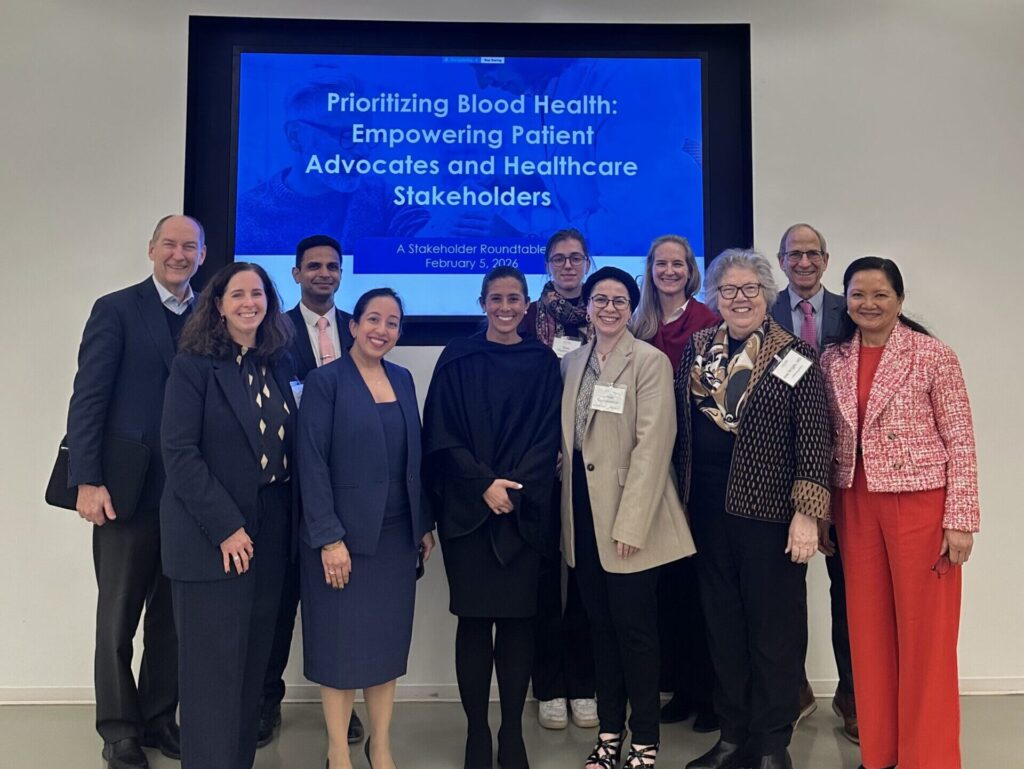
Roundtable participants agreed that advocates for people living with non-communicable diseases and those focused on women’s health need to collaborate in raising awareness and informing policy about the benefits of blood health. Utilizing the roundtable outcomes, as well as the priorities identified at a similar meeting of European stakeholders convened in Brussels in December 2025, GAfPA will further develop its programming focused on blood health with the goal of making early detection of iron deficiency and anemia more accessible and promoting Patient Blood Management.
For more, read the report from the preceding roundtable with similar goals, which reflects opinions from European chronic condition stakeholders.