
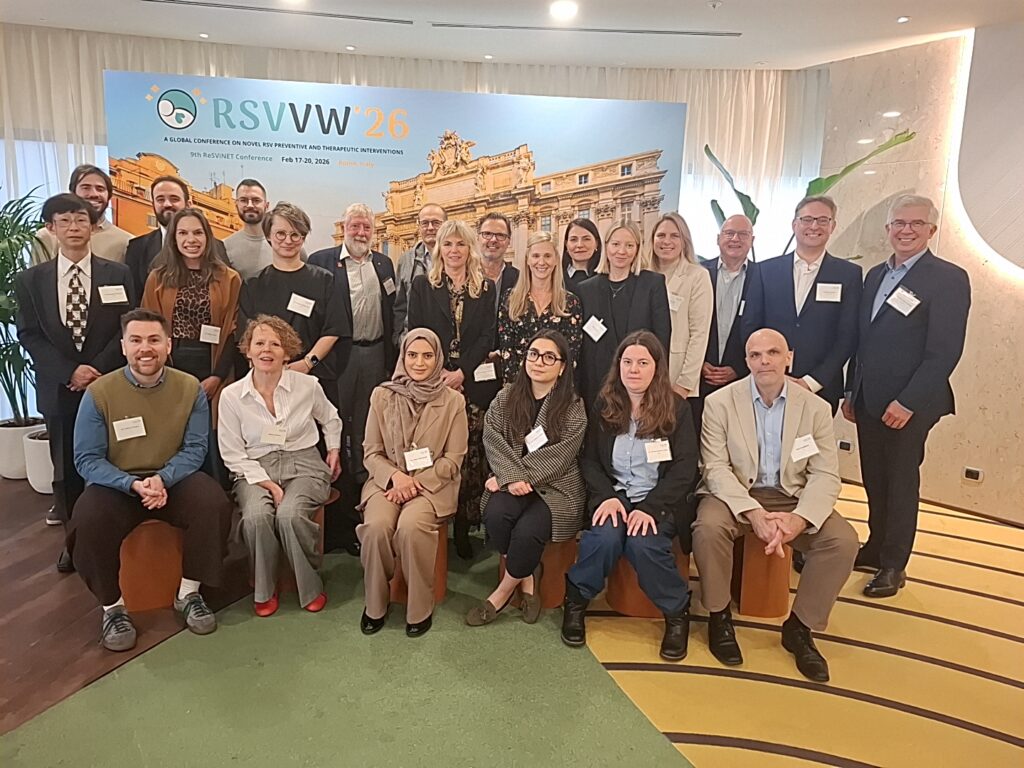
Promoting RSV Prevention
Attendees of the day-long workshop were respiratory disease experts from across the world.
The event equipped attendees with effective communication and advocacy tools to ensure lawmakers prioritise policies that promote prevention. These policies include implementing immunisation tools and ensuring high vaccination rates.
Programming included multiple interactive discussions and workshops aimed to:
The Burden of RSV
RSV affects nearly all children before age two, and in the US, it was the leading cause of hospitalisation in children under age one. The virus can also impose an emotional and financial toll on families.
Despite the disease’s prevalence and new tools for prevention, many families and policymakers remain unaware of the danger. That’s why communicating the science of prevention to policymakers and media is critical.
Looking Ahead
This training followed a similar program hosted in Lisbon last fall. A third workshop focused on pneumococcal disease is planned for this May in Copenhagen.
By engaging policymakers and encouraging coverage for prevention tools, health experts can help communities around the world stay healthy and protect infants and families from the burden of RSV.
Learn more about RSV in GAfPA’s resources.
Recent Posts

Global Alliance for Patient Access
© 2026 GAfPA. All Rights Reserved
| Cookie | Duration | Description |
|---|---|---|
| cookielawinfo-checkbox-analytics | 11 months | This cookie is set by GDPR Cookie Consent plugin. The cookie is used to store the user consent for the cookies in the category "Analytics". |
| cookielawinfo-checkbox-functional | 11 months | The cookie is set by GDPR cookie consent to record the user consent for the cookies in the category "Functional". |
| cookielawinfo-checkbox-necessary | 11 months | This cookie is set by GDPR Cookie Consent plugin. The cookies is used to store the user consent for the cookies in the category "Necessary". |
| cookielawinfo-checkbox-others | 11 months | This cookie is set by GDPR Cookie Consent plugin. The cookie is used to store the user consent for the cookies in the category "Other. |
| cookielawinfo-checkbox-performance | 11 months | This cookie is set by GDPR Cookie Consent plugin. The cookie is used to store the user consent for the cookies in the category "Performance". |
| viewed_cookie_policy | 11 months | The cookie is set by the GDPR Cookie Consent plugin and is used to store whether or not user has consented to the use of cookies. It does not store any personal data. |