Health officials in many low-income and developing nations are still working to meet the United Nations’ goal of vaccinating 70% of their populations against COVID-19.

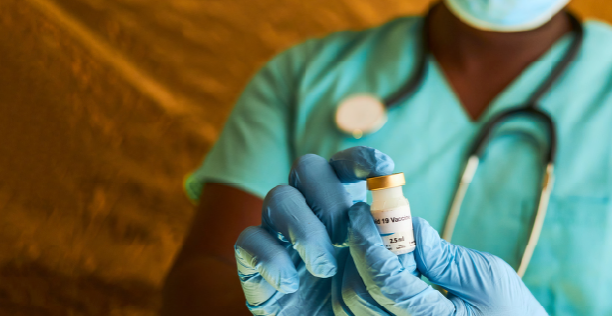
Health officials in many low-income and developing nations are still working to meet the United Nations’ goal of vaccinating 70% of their populations against COVID-19.
A new “Fast Facts” from the Global Alliance for Patient Access identifies factors limiting vaccination efforts and contributing to global vaccination rate disparities.
Vaccination rates between high- and low-income countries contrast starkly. In high-income countries, 79% of people have received at least one dose. Meanwhile, in low-income countries, only 15% of people have received one vaccine dose.
The Question of Waiving Intellectual Property Protections
Some countries have proposed suspending intellectual property protections for COVID-19 vaccines to improve vaccination in low-income countries. The “Fast Facts” explains that removal of protections would not work to address the root barriers to vaccination, however. What’s more, having additional manufacturers competing for the resources to produce the vaccines could reduce overall capacity.
Inadequate Infrastructure Inhibits Vaccination Efforts
Instead, the new “Fast Facts” explains, populations in developing countries are under-vaccinated due to inadequate infrastructure to store and distribute vaccines. It distinguishes four specific infrastructure shortcomings that stymie vaccination.
What can be done?
Public-private partnerships will be an important factor in supporting the successful distribution of COVID-19 vaccines. Global leaders should also look for ways to support developing nations as they work to improve their current infrastructures. These improvements will help to increase access to COVID-19 vaccinations for at-risk populations across the globe.
To learn more, read “Fast Facts: COVID-19 Vaccination in Developing Nations.”